Introduction
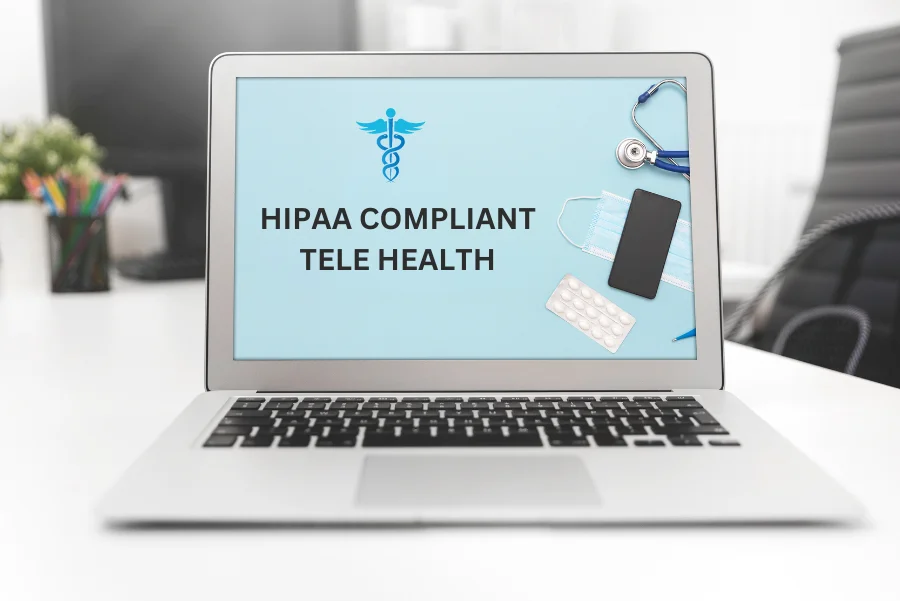
As a web design firm specializing in healthcare solutions, we understand the critical importance of ensuring HIPAA compliance in telehealth platforms. HIPAA compliance is essential for protecting patient data, fostering trust, and avoiding legal repercussions. In this article, we outline best practices for ensuring HIPAA compliance in telehealth platforms and highlight common pitfalls to avoid.
Best Practices for HIPAA Compliance
Use HIPAA-Compliant Software: Choose telehealth platforms that explicitly state their compliance with HIPAA regulations. Look for features such as encryption, secure data storage, and access controls. Notable tools include Zoom for Healthcare, Doxy.me, and VSee.
Implement Strong Authentication Mechanisms: Utilize multi-factor authentication (MFA) to ensure only authorized personnel can access sensitive patient information. Recommended tools include Duo Security and Google Authenticator.
Data Encryption: Ensure all patient data, both in transit and at rest, is encrypted using robust encryption standards such as AES-256. Tools like BitLocker and VeraCrypt are helpful in this regard.
Regular Risk Assessments: Conduct regular risk assessments to identify potential vulnerabilities in your telehealth platform and address them promptly. Nessus and OpenVAS are useful tools for this purpose.
Training and Awareness: Provide regular training for all staff members on HIPAA regulations and best practices for handling patient information securely. Valuable resources include HHS HIPAA Training Materials and HealthIT.gov.
Secure Communication Channels: Use secure, encrypted communication channels for all interactions involving patient information, including video calls, chat messages, and file transfers. Signal and ProtonMail are excellent tools for secure communication.
Access Controls and Audit Logs: Implement strict access controls to limit who can view or modify patient data and maintain audit logs to track access and modifications. Tools like Splunk and SolarWinds Access Rights Manager can assist with this.
Common Pitfalls to Avoid
Using Non-Compliant Platforms: Avoid using popular communication tools that are not designed for healthcare purposes, such as regular Zoom, Skype, or FaceTime, as they may not meet HIPAA requirements.
Inadequate Staff Training: Ensure all staff members are adequately trained in HIPAA compliance. Lack of training can lead to accidental breaches of patient data.
Neglecting Business Associate Agreements (BAAs): Ensure all third-party service providers who handle patient information sign a Business Associate Agreement (BAA) to confirm their compliance with HIPAA regulations.
Weak Password Policies: Implement strong password policies to prevent unauthorized access. Avoid using easily guessable passwords and encourage regular password changes.
Insufficient Data Encryption: Failing to encrypt patient data adequately can lead to significant security breaches. Ensure encryption is applied to all data, both in transit and at rest.
Ignoring Regular Updates and Patches: Regularly update and patch your telehealth platform and any associated software to protect against the latest security vulnerabilities.
Conclusion
Ensuring HIPAA compliance in telehealth platforms is one of our top priorities. By adhering to best practices and avoiding common pitfalls, healthcare providers can create secure and compliant telehealth environments. Utilizing the mentioned tools and resources enhances compliance efforts and keeps systems updated with the latest regulatory changes.
By following these guidelines, telehealth services can remain compliant with HIPAA regulations, thereby safeguarding patient data and maintaining trust in healthcare services.