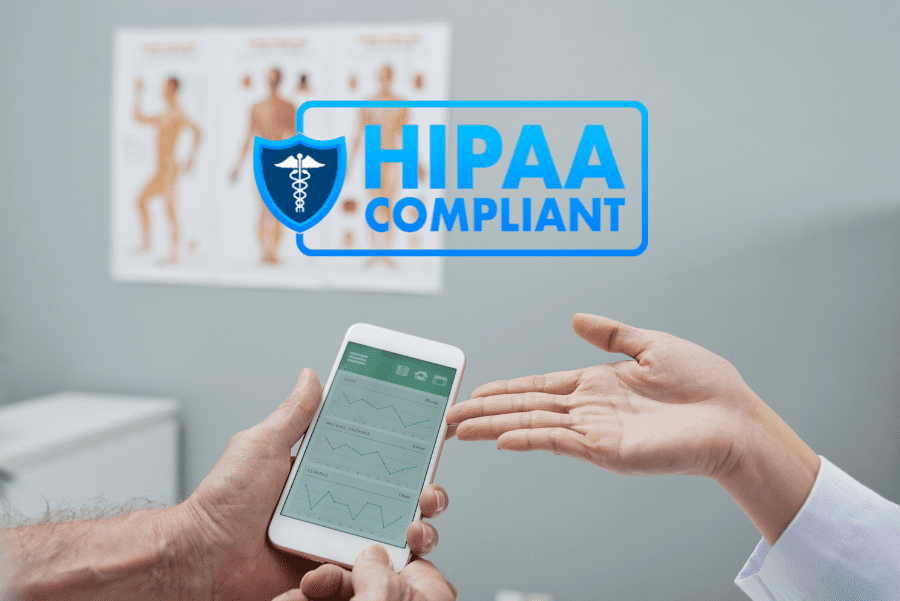
As mobile health technologies continue to evolve, protecting patient data becomes increasingly critical. At FDGweb we understand the importance of safeguarding sensitive patient information, and we follow the Health Insurance Portability and Accountability Act (HIPAA) guidelines to ensure compliance. This article explores how we intersect HIPAA with health apps, offering insights into our best practices for compliance and resources for further guidance.
Understanding HIPAA
HIPAA is a federal law enacted in 1996 to protect patient health information (PHI). It includes the Privacy Rule and the Security Rule, which establish national standards for the protection of electronic PHI (ePHI).
- Privacy Rule: Regulates the use and disclosure of PHI, ensuring that patient information is properly protected while allowing the flow of health information needed to provide high-quality health care.
- Security Rule: Sets standards for the protection of ePHI, requiring appropriate administrative, physical, and technical safeguards to ensure the confidentiality, integrity, and security of electronic health information.
Health Apps and HIPAA Compliance
Health apps that handle PHI must comply with HIPAA regulations. This includes apps used by healthcare providers, insurance companies, and other entities that process health data. Here are key steps to ensure HIPAA compliance in health apps:
- Conduct a Risk Assessment:
- Perform a thorough risk assessment to identify potential vulnerabilities in the app’s data handling processes. This helps in implementing appropriate safeguards to mitigate risks.
- Implement Safeguards:
- Administrative Safeguards: Develop policies and procedures to manage the selection, development, and maintenance of security measures. Ensure that employees are trained on HIPAA requirements.
- Physical Safeguards: Control physical access to systems and facilities where ePHI is stored. This includes measures like secure workstations and restricted access to data centers.
- Technical Safeguards: Implement technology solutions to protect ePHI, such as encryption, secure communication channels, and authentication controls.
- Ensure Data Encryption:
- Encrypt data both at rest and in transit to protect against unauthorized access. This is crucial for maintaining the confidentiality and integrity of ePHI.
- Develop a Privacy Policy:
- Create a clear privacy policy that outlines how patient data is collected, used, and protected. Ensure that users are informed and consent to the data practices.
- Regular Audits and Monitoring:
- Conduct regular audits and monitoring to ensure ongoing compliance with HIPAA regulations. This includes reviewing access logs and conducting vulnerability scans.
- Business Associate Agreements (BAAs):
- If the app involves third-party service providers (e.g., cloud storage providers), ensure that Business Associate Agreements are in place. BAAs are contracts that specify how the business associate will protect ePHI and comply with HIPAA.
Resources for HIPAA Compliance
Here are some valuable resources we use for understanding and ensuring HIPAA compliance in health apps:
- HIPAA Journal: Provides comprehensive news and updates on HIPAA compliance, including best practices and case studies.
- U.S. Department of Health and Human Services (HHS): Offers official guidance, FAQs, and resources on HIPAA regulations.
- National Institute of Standards and Technology (NIST): Provides cybersecurity guidelines and standards, including specific guidance on protecting ePHI.
- Office for Civil Rights (OCR) at HHS: Responsible for enforcing HIPAA, OCR offers tools and resources for entities covered under HIPAA.
- HealthIT.gov: A resource for health IT adoption and meaningful use, including HIPAA compliance information.
Conclusion
As mobile health technologies inscrease, ensuring HIPAA compliance is essential for protecting patient data. By following best practices and leveraging available resources, we safeguard ePHI and maintain the trust of our client’s users. Protecting patient data is not just a regulatory requirement—it’s a fundamental aspect of delivering high-quality, trustworthy health care services.